Daily routines when pelvic symptoms fluctuate
Lifestyle steps can be useful as symptom-management experiments, but they cannot determine the cause of prostatitis and they do not replace medical treatment.
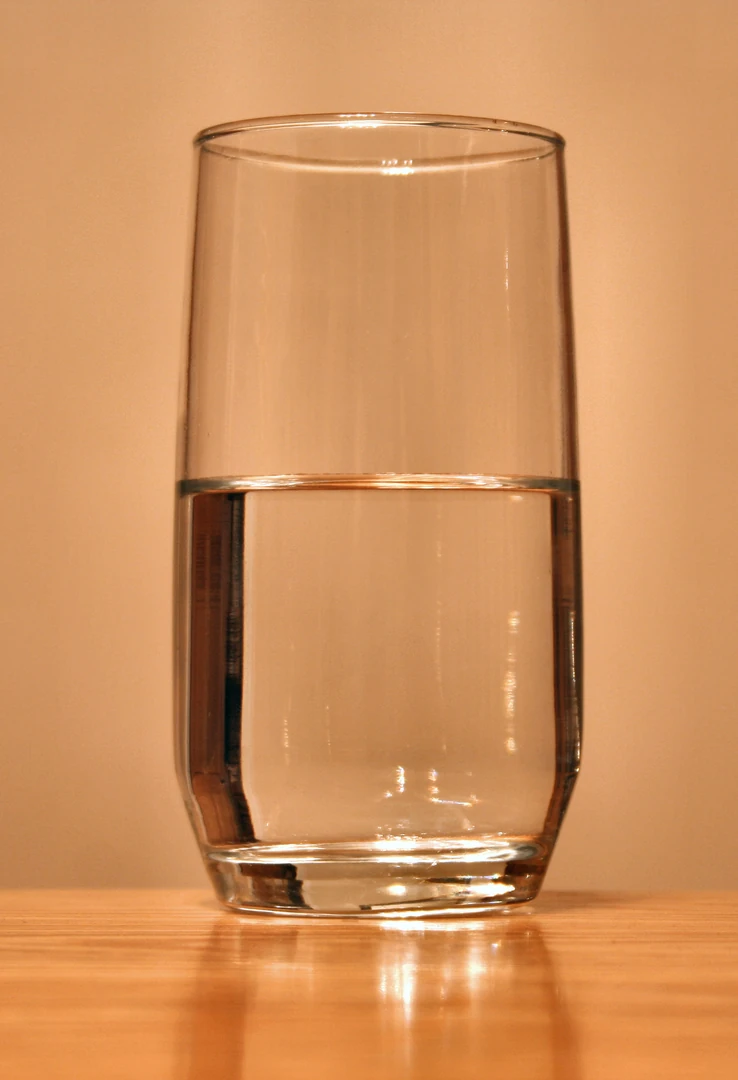
Hydration: steady rather than extreme
Some clinicians recommend adequate fluids, particularly with bacterial urinary problems. More is not always better. Very large fluid volumes can worsen frequency and urgency. If you have kidney, heart or other conditions that affect fluid advice, follow your clinician’s plan.
Notice bladder irritants
Alcohol, caffeine, acidic drinks and spicy foods can aggravate bladder or urinary symptoms in some people. A practical approach is to change one variable at a time and note whether the same pattern repeats.
Movement and sitting
Long sitting may aggravate pelvic discomfort for some people. Short walking breaks and position changes are low-complexity ways to test whether symptoms ease. During severe acute illness, exercise is not a substitute for medical assessment.

Warmth, relaxation and pelvic tension
Warm baths, relaxation approaches and clinician-guided physical therapy may be considered in chronic pelvic pain patterns. Pelvic floor exercises are not automatically appropriate for everyone; some people have excessive muscle tension rather than weakness, so professional assessment can matter.
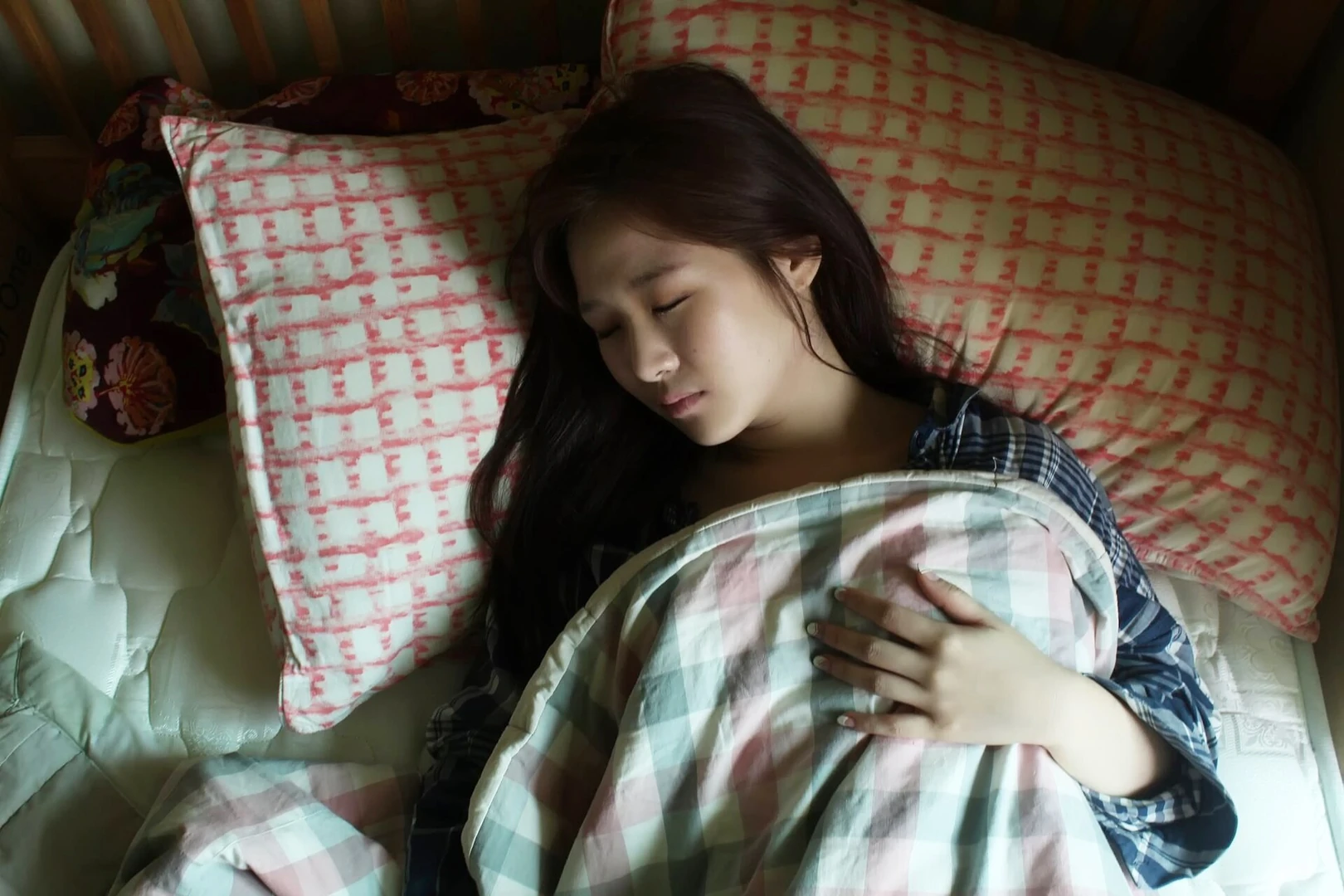
Sleep and symptom load
Persistent pain can disturb sleep, and poor sleep can make pain harder to cope with. Aim for a repeatable sleep schedule when possible, and mention significant sleep disruption during medical review.
Use a short experiment window
Choose one or two routine changes, observe for a defined period, and write down what happened. This is more informative than changing diet, hydration, exercise and supplements all at once.
What this article intentionally does not recommend
Holentra does not recommend a specific supplement stack, detox plan, herbal cure or non-prescribed antibiotic course. Product claims cannot substitute for identifying the clinical pattern.